
How regulatory inspections assess water safety: 2026 guide
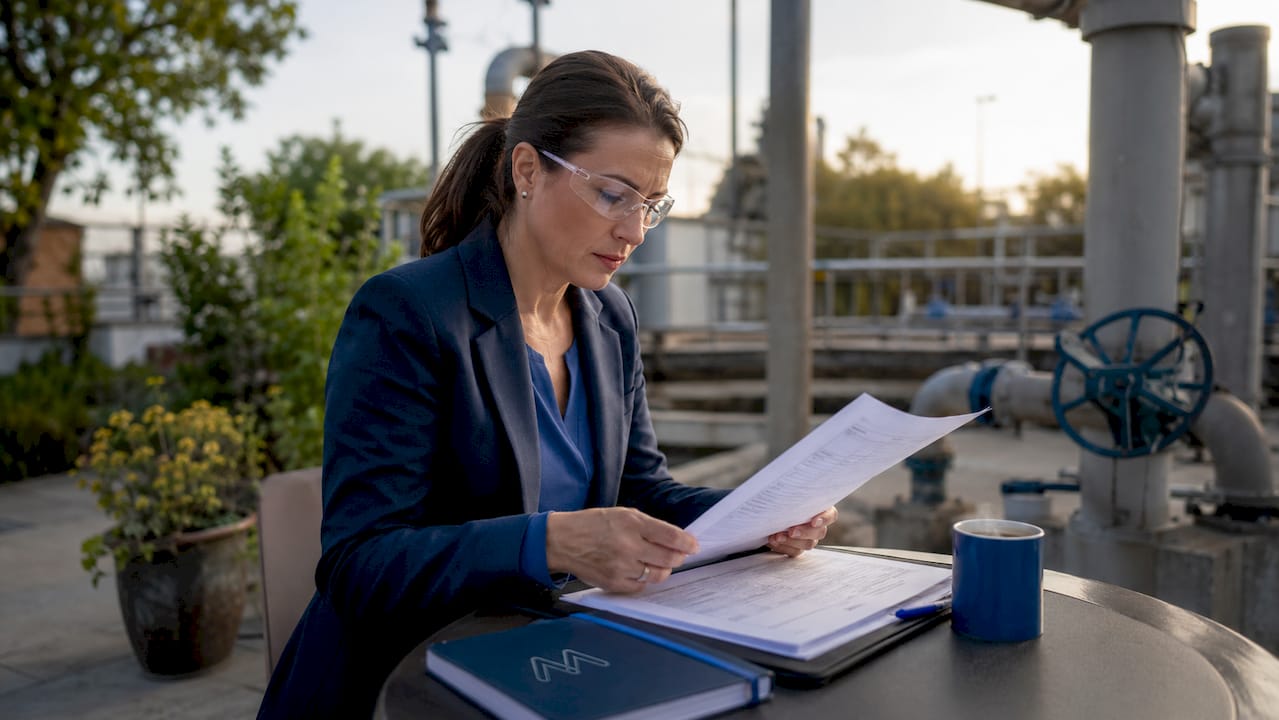
Regulatory water safety inspections are structured evaluations that verify water systems meet legal safety standards by examining physical assets, operational practices, and compliance documentation. In the UK, bodies including the Drinking Water Inspectorate (DWI) and the Environment Agency lead this oversight, applying frameworks aligned with HSE guidance and WHO principles. Understanding how regulatory inspections assess water safety is not optional for facility managers and compliance officers. It is a direct requirement of your duty of care. Inspections in 2025/26 surpassed 10,000 checks, more than double the 4,600 conducted in 2024/25. That scale signals a regulatory environment that rewards preparation and penalises complacency.
How do regulatory inspections assess water safety?
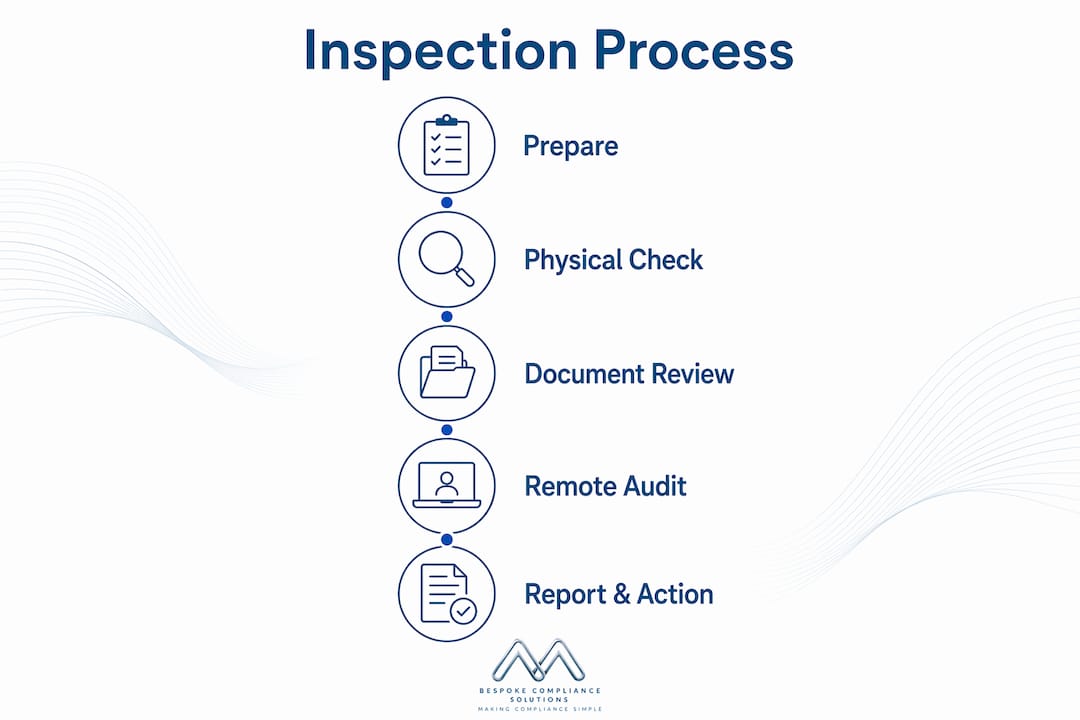
Regulatory water safety inspections use a combination of physical site visits, structured audits, and data reviews to build a complete picture of risk. The industry term for the most widely used assessment method is the sanitary survey. This is a structured, risk-based evaluation that follows the multiple barrier approach, reviewing every stage of water supply from source through treatment and distribution to the point of use. No single stage is assessed in isolation.
Physical asset inspections
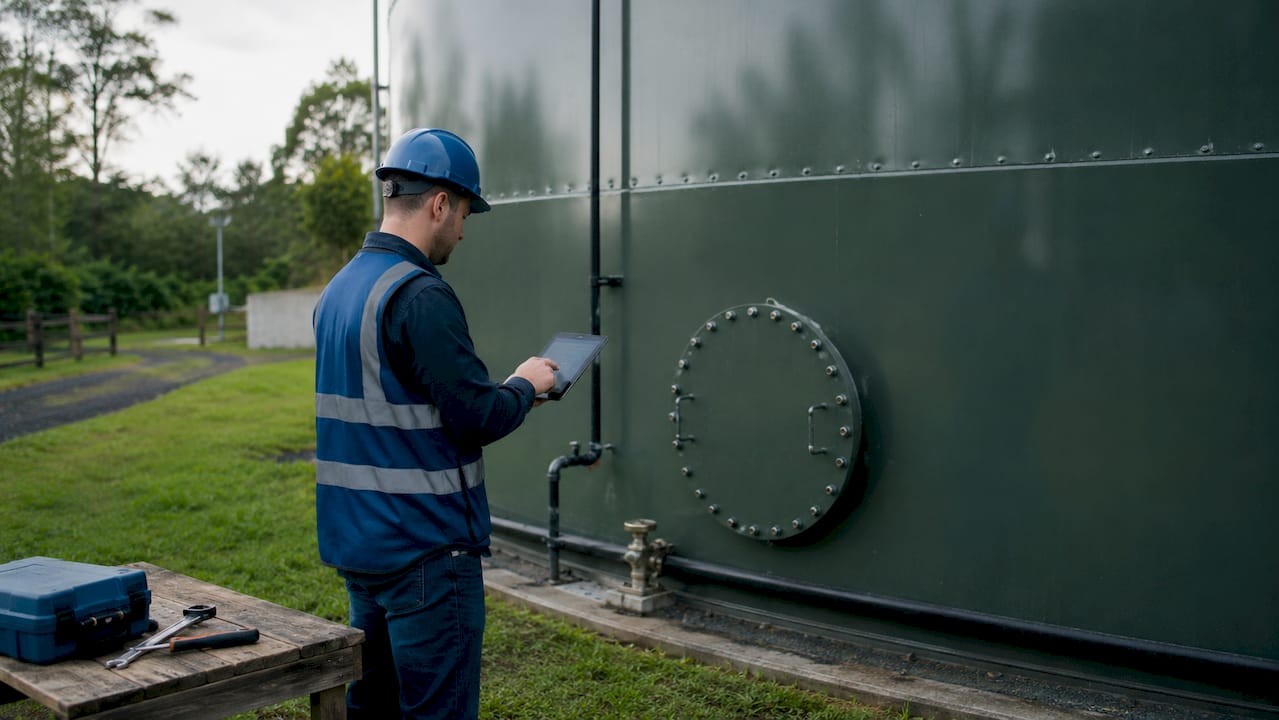
Inspectors examine treatment plants, storage tanks, pumping stations, distribution pipework, and control systems. They assess the physical condition of each asset, looking for signs of deterioration, contamination risk, or inadequate maintenance. Inspectors review infrastructure condition, operational practices, and compliance documentation during every visit. A corroded tank fitting or an unlabelled chemical store carries the same weight as a missing log entry.
Record-keeping and data governance audits
Documentation is not a formality. The DWI conducted 39 formal audits in 2025, issuing 205 recommendations, with asset management and data governance identified as the primary areas for improvement. Inspectors expect operator logs, sampling results, maintenance certificates, and calibration records to be complete, current, and accessible. Poor data governance is treated as a compliance failure in its own right.
Remote audits and performance metrics
Physical inspections are supplemented by remote audits and data governance checks to provide comprehensive oversight. The DWI introduced a new Enforcement Performance Metric in 2025, which identifies outlier organisations with poor compliance records and targets them for escalated enforcement. Regulators do not typically conduct water testing themselves. They enforce accountability through self-monitoring and compliance KPIs reported by utilities and facility operators.
Pro Tip: Keep your Water Safety Plan, logbooks, and sampling records in a single, clearly labelled location. Inspectors form their first impression of your organisation within minutes of arrival. Organised records signal operational control before a single question is asked.
What findings do inspectors commonly identify?
Inspections do not aim to catch organisations out. Regulatory inspections focus on documenting risk and operational competence rather than seeking perfection. Inspectors categorise findings into three levels: significant deficiencies, minor issues, and recommendations. Each level carries different consequences and response timelines.
The scale of findings in 2025/26 was substantial. Regulators issued over 3,000 enforcement demands following permit condition breaches identified during inspections. That figure represents a direct consequence of the increased inspection volume. More checks produce more findings, and more findings generate more improvement demands.
Common breach categories include:
Inadequate monitoring records. Gaps in sampling logs or missing calibration certificates are among the most frequently cited issues. Inspectors treat incomplete records as evidence of inadequate operational control.
Asset maintenance failures. Deteriorated pipework, poorly maintained storage tanks, and unserviced thermostatic mixing valves (TMVs) appear regularly in inspection reports. Physical condition reflects the quality of your maintenance programme.
Absence of a current Water Safety Plan. Facilities without a documented, reviewed, and site-specific Water Safety Plan face significant deficiency findings. A plan that has not been updated following a system change is treated the same as no plan at all.
Staff knowledge gaps. Inspectors ask operational staff direct questions. Answers that reveal a lack of awareness about Legionella control measures or emergency procedures are recorded as findings against the organisation.
Failure to act on previous recommendations. Repeat findings from prior inspections carry greater weight. Inspectors view unresolved recommendations as evidence of systemic management failure.
Inspection findings serve as prioritised action lists that assist managers in budget requests, funding applications, and risk reduction planning. A significant deficiency finding is not just a compliance problem. It is documented evidence you can use to justify capital expenditure to senior leadership.
How do inspections drive risk management and continuous improvement?
Inspections are most valuable when their findings feed directly into your operational systems. A finding that sits in a report without triggering a corrective action plan is a missed opportunity and a future liability. The DWI’s data-driven enforcement approach means that organisations with persistent compliance gaps face escalating scrutiny, not a one-off visit.
Effective integration of inspection outcomes involves several practices:
Updating your Water Safety Plan after every inspection, incorporating any new risks or system changes identified during the visit.
Feeding findings into asset management cycles, so that infrastructure deficiencies identified by inspectors are captured in capital planning and maintenance schedules.
Using inspection recommendations to prioritise training, particularly where staff knowledge gaps were recorded as findings.
Tracking corrective actions through a formal system. A water compliance action tracker gives you documented evidence that findings are being addressed, which matters significantly at your next inspection.
Reviewing your water hygiene risk controls annually, not only when an inspection is imminent.
Public water supply compliance in England reached 99.97% across over 3.5 million samples tested in 2025. That figure reflects the cumulative effect of sustained inspection pressure and continuous improvement across the sector. It also sets the benchmark against which your facility’s performance is measured.
Pro Tip: Treat every inspection finding as a management tool, not a criticism. Document your corrective actions with dates, responsible persons, and completion evidence. Inspectors at your next visit will review whether previous recommendations were acted upon.
How can facility managers prepare for water safety inspections?
Preparation is the single greatest factor separating organisations that receive minor recommendations from those that receive significant deficiency findings. Mock sanitary surveys are the most effective preparation tool available. They reduce stress, identify documentation gaps, and give staff the opportunity to practise their roles before the real visit.
A structured pre-inspection approach covers four areas:
Site readiness. Walk every area an inspector will visit. Check that access points are clear, hazard signage is current, and PPE is available and in good condition. Inspectors note the physical environment as part of their overall assessment of operational standards.
Documentation readiness. Organise all records into a clear, logical structure. This includes your Water Safety Plan, risk assessment documentation, sampling results, maintenance logs, TMV service records, and staff training certificates. A commercial water hygiene audit checklist is a practical tool for verifying completeness before the inspector arrives.
Staff briefing. Every member of staff who may interact with an inspector needs to know their role, understand the facility’s Water Safety Plan, and be able to answer basic questions about Legionella control measures. Calm, informed responses demonstrate organisational competence. Uncertainty or contradictory answers raise flags.
Understanding inspector expectations. Inspectors are not looking for perfection. They are assessing whether your organisation understands its risks, manages them systematically, and responds appropriately when issues arise. Demonstrating awareness of your own vulnerabilities, alongside evidence of action, is more persuasive than presenting a facility with no recorded issues. For broader guidance on water safety compliance for businesses, the principles of proactive management apply across all sectors.
Pro Tip: Conduct your mock survey at least six weeks before an anticipated inspection. That gives you enough time to close documentation gaps and arrange any remedial maintenance without rushing.
Key takeaways
Regulatory water safety inspections assess risk, operational competence, and documentation quality across the entire water supply chain, from source to tap.
Point | Details |
Inspections are risk-focused, not fault-finding | Inspectors assess whether your organisation understands and manages its water safety risks systematically. |
Documentation quality is decisive | Incomplete or disorganised records are treated as compliance failures, regardless of physical site condition. |
Findings feed continuous improvement | Use inspection recommendations to update your Water Safety Plan, asset schedules, and staff training. |
Mock surveys reduce inspection risk | Conducting a mock sanitary survey at least six weeks before an inspection closes gaps before they become findings. |
Enforcement is increasing | Inspections exceeded 10,000 in 2025/26, with over 3,000 enforcement demands issued, making preparation non-negotiable. |
What I’ve learned from watching inspections go wrong
Working in water hygiene compliance, I’ve seen the same pattern repeat itself. A facility manager spends months maintaining the physical site to a high standard, then receives a significant deficiency finding because a logbook had not been updated since the previous quarter. The inspector was not wrong. Operational records are the evidence that your controls are actually working. A clean tank with no sampling data attached to it tells an inspector nothing useful.
The shift towards data-driven oversight, reflected in the DWI’s Enforcement Performance Metric, changes the nature of inspection risk. Organisations that were previously able to rely on a well-presented site visit now face scrutiny of their data systems, reporting accuracy, and trend analysis. That is a meaningful change. It means compliance officers need to think about their data governance with the same rigour they apply to physical maintenance.
The facilities that consistently perform well in inspections share one characteristic. They treat inspection preparation as an ongoing process, not a pre-visit scramble. Their Water Safety Plans are reviewed quarterly. Their staff receive Legionella awareness training annually. Their corrective action logs are current. When an inspector arrives, there is nothing to hide and nothing to find in a hurry. That is the standard worth building towards.
— Sammi
How Bespokecompliancesolutions supports your inspection readiness
Bespokecompliancesolutions works with facility managers and compliance officers across commercial, healthcare, housing, and public sector sites to build water safety programmes that hold up under regulatory scrutiny.
From legionella risk assessments for commercial premises to water testing and analysis services, every service is designed around the specific requirements of your site and the expectations of UK regulators. Bespokecompliancesolutions also provides bespoke logbook systems, TMV servicing, and ongoing consultancy to keep your documentation current between inspections. If your next inspection is approaching, or if a previous one produced findings you have not yet resolved, the team at Bespokecompliancesolutions is ready to help you close those gaps with confidence.
FAQ
What do regulators look for during a water safety inspection?
Regulators assess physical asset condition, operational practices, and the completeness of compliance documentation. They focus on whether your organisation understands its risks and manages them through a documented, systematic approach.
How often do water safety inspections take place?
Inspection frequency varies by sector and risk profile. UK regulatory inspections exceeded 10,000 in 2025/26, reflecting a significant increase in oversight activity across water company assets and associated facilities.
What is a sanitary survey?
A sanitary survey is a structured, risk-based inspection that evaluates a water system using a multiple barrier approach, reviewing every stage from source through treatment and distribution to the point of use.
What happens if an inspection finds a significant deficiency?
A significant deficiency triggers a formal enforcement demand requiring corrective action within a specified timeframe. Unresolved deficiencies identified at a subsequent inspection are treated as evidence of systemic management failure.
How can facility managers best prepare for a water safety inspection?
Conduct a mock sanitary survey at least six weeks before the visit, organise all compliance documentation into a clear structure, brief staff on their roles, and verify that your Water Safety Plan reflects the current state of your site.
Recommended
Comments